
 joyce
joyce You’ve found a recipe that looks perfect, bookmarked it with excitement, and gathered your ingredients—only to end up with a dish that doesn’t match the photo or description. We’ve all been there, and it’s frustrating enough to make anyone want to give up on trying new recipes altogether.
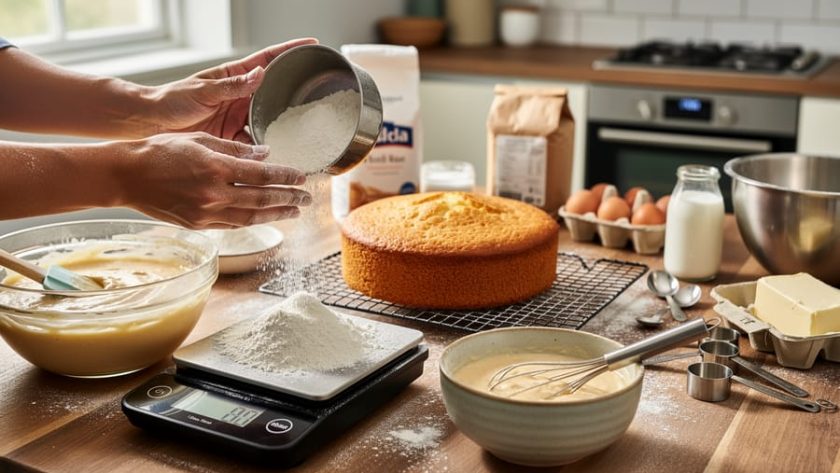
Recipe testing exists to prevent exactly this disappointment. It’s the difference between a recipe that sounds good on paper and one that actually delivers consistent, delicious results in your kitchen. When a recipe has been properly tested, it means real people have made it multiple times, measured every ingredient, noted the timing, adjusted the temperatures, and ironed out any confusing steps before it ever reaches you.
At Viteunerecette.ca, every single recipe goes through rigorous hands-on testing in home kitchens just like yours. We’re not working with professional equipment or secret techniques—we use standard measuring cups, regular ovens that run a bit hot or cold, and the same grocery store ingredients you’ll find on your shelves. Each recipe gets made at least three times, with adjustments made after each round based on what worked and what didn’t.
This testing process matters because your time and ingredients are valuable. You deserve recipes that work the first time, with clear instructions that don’t leave you guessing. Understanding how recipe testing works helps you recognize reliable sources and gives you confidence to experiment in your own kitchen, knowing the foundation you’re building on is solid.
What Recipe Testing Really Means
Recipe testing is more than just cooking a dish once and calling it done. It’s a deliberate, methodical process where a recipe gets made multiple times, often by different people, to make sure it works reliably every single time. Think of it as quality control for your cooking.
Here’s the thing: anyone can write down a recipe. You might create something delicious in your kitchen and jot down what you did. But recipe testing asks the tougher questions. Will it work in someone else’s kitchen? Can a beginner follow the instructions successfully? Are the measurements accurate? Does the timing hold up whether you’re cooking in Vancouver or Halifax, where altitude and humidity might differ?
When we test recipes, we’re essentially putting ourselves in your shoes. We follow the instructions exactly as written, using standard measuring cups and spoons you’d find in any Canadian kitchen. We note where instructions might be unclear, where timing needs adjustment, or where an extra tip would be helpful. If something doesn’t work the first time, we figure out why and adjust the recipe accordingly.
The validation process involves making the recipe at least twice, sometimes more. The first round identifies obvious issues. Subsequent tests confirm that our fixes actually work and that the results are consistent. We also consider practical factors like ingredient availability in Canadian grocery stores and realistic cooking equipment most home cooks already own.
This systematic approach is what separates a reliable recipe from one that leaves you frustrated, staring at a disappointing dish and wondering what went wrong. Testing ensures that when you invest your time, money, and effort into making something, you’ll get results worth celebrating.
Why Untested Recipes Fail You
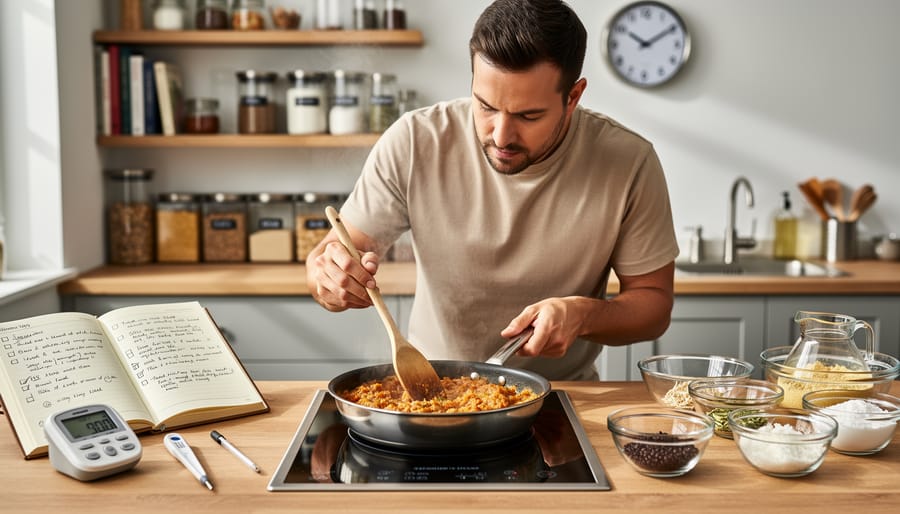
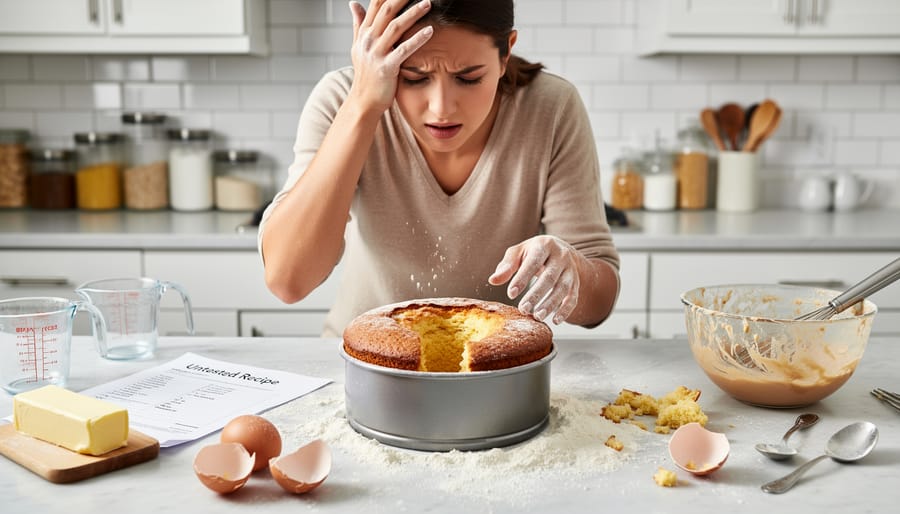
We’ve all been there. You find a recipe that looks absolutely delicious, gather your ingredients, and start cooking with excitement. Then things start going wrong. The sauce is too thin, the baking time is way off, or you reach step four only to discover you needed to prep something two hours ago. Frustrating, right?
Untested recipes are like following directions from someone who’s never actually taken the journey themselves. They might sound good on paper, but the reality can be quite different when you’re standing in your kitchen with flour on your hands.
One of the most common problems is incorrect measurements. Maybe the recipe calls for “a can of tomatoes” without specifying the size, or lists “1 onion” when the difference between a small and large onion can completely change your dish. These vague measurements leave you guessing, and your results become unpredictable.
Missing steps are another major culprit. An untested recipe might tell you to add ingredients without mentioning that your butter needs to be at room temperature first, or forget to include when to preheat your oven. These seemingly small omissions can derail your entire cooking experience, especially if you’re still building your kitchen confidence.
Then there’s the issue of unclear instructions. Terms like “cook until done” or “add a little salt” mean different things to different people. Without specific guidance, you’re left wondering if your “done” matches the recipe writer’s version.
And let’s talk about timing. Untested recipes often promise “ready in 30 minutes” when the actual process takes an hour, not counting prep time. This isn’t just inconvenient when you’re trying to get dinner on the table; it erodes your trust in recipes altogether.
The reality is that writing down a recipe from memory or theory doesn’t account for the real-world challenges that pop up in actual kitchens. That’s exactly why proper recipe testing matters so much for your success.
How Professional Recipe Testing Works
The Initial Recipe Draft
Every recipe starts with an idea—maybe it’s a craving for something comforting, a twist on a classic dish, or inspiration from seasonal ingredients available at your local Canadian grocery store. The first step in recipe testing is getting that idea down on paper (or screen!) in a workable format. This means deciding on ingredients and writing out approximate measurements, cooking temperatures, and step-by-step instructions. Think of this initial draft as your roadmap—it doesn’t need to be perfect yet, but it should be detailed enough to follow. At this stage, we’re making educated guesses based on cooking knowledge and experience. How much flour will give you the right texture? What oven temperature works best? These questions get preliminary answers in the draft, knowing they’ll be refined through actual testing. The goal is creating a starting point that’s clear enough to cook from, setting the foundation for the hands-on work that follows.
The First Test Cook
The first test cook is where the real work begins. Armed with the drafted recipe, I head into the kitchen and cook it exactly as written—no shortcuts, no assumptions, and no “I know what they meant” moments. This is crucial because I’m trying to see the recipe through your eyes, catching anything that might trip you up.
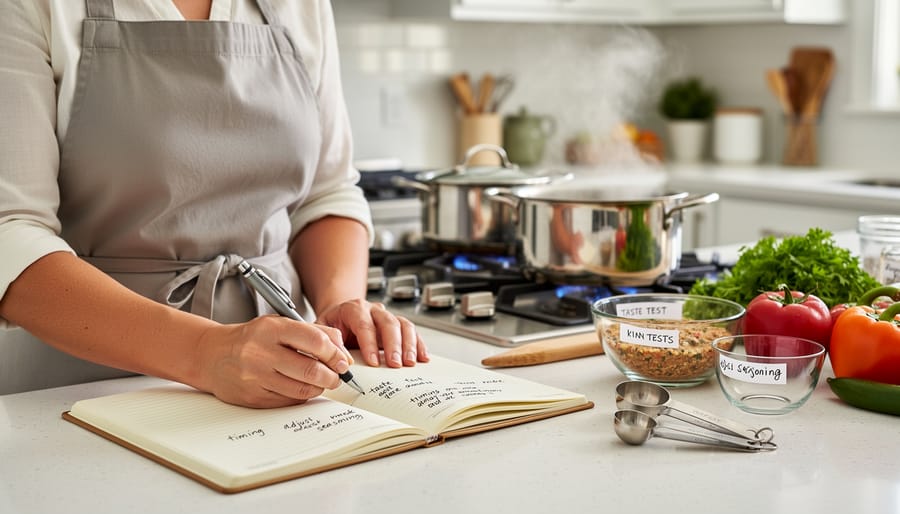
Throughout the cooking process, I keep detailed notes on everything. I time each step, measure temperatures, and observe how ingredients behave. Does the onion actually soften in five minutes, or does it need eight? Is “golden brown” clear enough, or should I specify a visual cue? I also note practical details that matter in Canadian kitchens, like whether metric measurements work smoothly or if ingredient availability might be an issue.
Problems always emerge during this first cook—it’s expected and welcomed. Maybe the seasoning falls flat, the texture isn’t quite right, or a step proves confusing when you’re actually doing it. I jot down every hiccup, from minor timing tweaks to bigger structural changes. These observations become the roadmap for refining the recipe into something truly reliable and foolproof for you.
Troubleshooting and Adjustments
When something doesn’t work quite right during testing, that’s actually where the magic happens. Maybe your cookies spread too thin, your sauce turned out watery, or the flavours didn’t quite pop the way you expected. These hiccups are opportunities to improve the recipe for everyone who’ll make it later.
Start by identifying what went wrong. Was it a technique issue, like overmixing? Did the timing need adjustment? Perhaps the ingredient ratios were off. Take detailed notes about the problem and what you think caused it, then make one change at a time. This way, you’ll know exactly what fixed the issue.
Common adjustments include tweaking baking times (remember, Canadian ovens can vary significantly), adjusting liquid amounts for texture, or boosting seasonings for better flavour. If your first batch of muffins came out dry, try reducing the baking time by five minutes or adding a touch more liquid next round.
Don’t hesitate to test a recipe multiple times. Professional recipe developers often go through three, four, or even more rounds before getting it just right. Each test brings you closer to a recipe that works beautifully every single time, giving you and your fellow home cooks the confidence to succeed in the kitchen.
Multiple Test Rounds
One test run simply isn’t enough to guarantee a recipe will work reliably for everyone. We test our recipes multiple times, usually at least three rounds, to catch any issues and ensure consistent results.
Each testing round serves a different purpose. The first helps us identify obvious problems with measurements or cooking times. Subsequent tests let us fine-tune techniques and clarify instructions. We also try recipes using different equipment – because your standard home oven in Toronto might run hotter than one in Vancouver, and not everyone has the same pots, pans, or kitchen tools.
Testing with different skill levels is equally important. What seems obvious to an experienced cook might confuse someone just starting their culinary journey. We sometimes ask testers with varying experience to try our recipes, gathering feedback on which steps need more explanation or where photos would help.
This thorough approach means when you follow one of our recipes, you can feel confident it’s been tried, adjusted, and perfected. We’ve already worked through the hiccups so you don’t have to.
Final Validation
Before a recipe reaches you, it goes through one last round of checks to make sure everything is perfect. We review the instructions one more time, confirming that every step makes sense and flows naturally. The ingredient list gets a careful look to catch any typos or measurements that might have slipped through. We also consider practical details like prep time and how the recipe fits with ingredients readily available in Canadian grocery stores. This final validation is our promise to you that when you’re standing in your kitchen with our recipe in hand, everything will work exactly as described. We want you to feel confident from the moment you start prepping to that final satisfying bite. It’s this attention to detail that helps prevent those frustrating kitchen moments where something just doesn’t seem right, giving you the reliable results you deserve every single time.
What Makes a Recipe Truly Tested
So how can you tell if a recipe has been truly tested and is worth your time? Here are the key signs to look for when you’re browsing through recipes online or in cookbooks.
First, properly tested recipes include precise measurements and clear, step-by-step instructions. You shouldn’t have to guess what “a pinch” means or wonder whether to dice vegetables finely or roughly. Good recipes spell out exactly what you need to do, when, and how. They also explain techniques in plain language, so you’re never left scratching your head halfway through cooking.
Timing is another crucial indicator. Reliable recipes provide realistic time estimates for each step and the overall cooking process. If a recipe claims you can make a slow-cooked beef stew in 20 minutes, that’s a red flag. Tested recipes acknowledge that onions take about 5 to 7 minutes to soften, not 2 minutes, and they account for real-world kitchen conditions, not just ideal scenarios.
Accurate yields matter too. A tested recipe tells you exactly how many servings it makes or what size pan to use. There’s nothing more frustrating than a cookie recipe that claims to make “2 dozen” but only produces 15 cookies, or a cake batter that overflows your pan because the size wasn’t specified.
Temperature specifications are equally important. Whether you’re baking, roasting, or frying, tested recipes include exact temperatures and explain visual cues for doneness. They don’t just say “bake until done” but rather “bake at 350°F for 25 to 30 minutes, until a toothpick inserted in the center comes out clean.”
Finally, look for recipes that acknowledge potential variations or common substitutions. Tested recipes often include helpful notes about ingredient swaps, adjustments for different climates (hello, Canadian winters!), or tips for make-ahead preparation. These details show that someone has actually worked through the recipe multiple times and anticipated your questions before you even ask them.
How You Can Test Recipes at Home
You don’t need to be a professional to test recipes at home, and honestly, it’s one of the best ways to become a more confident cook. Start by approaching each new recipe as an experiment rather than a rigid set of rules. As you cook, keep a notepad or your phone nearby to jot down observations. Did the sauce seem too thin at step three? Write it down. Did the cookies spread more than expected? Make a note.
Pay special attention to timing and texture cues rather than relying solely on exact minutes. Ovens vary widely (especially across different Canadian homes and climates), so when a recipe says “bake until golden brown,” that visual cue is actually more reliable than a timer. Notice how ingredients behave in your kitchen with your equipment.
When something doesn’t turn out quite right, resist the urge to blame yourself or the recipe immediately. Instead, think through what happened. Was your butter truly at room temperature? Did you measure flour by spooning it into the cup or scooping directly from the bag? These small differences matter and understanding them helps you troubleshoot.
If you want to make adjustments, change only one thing at a time. This way, you’ll know exactly what worked or what didn’t. Maybe you prefer less salt or want to try whole wheat flour – perfect! Just document what you changed and the results.
Finally, don’t hesitate to test a recipe twice, especially if you’re planning to serve it for a special occasion. The second time through, you’ll catch details you missed initially and feel much more comfortable with the process. This hands-on practice transforms you from someone who follows recipes to someone who truly understands them.
Why Your Feedback Matters
Your experience in the kitchen matters more than you might think! Every time you try one of our recipes, you’re adding to a valuable community of home cooks who help us make our content even better. When you share what worked beautifully or what didn’t quite turn out as expected, you’re helping us catch things we might have missed and providing insights that benefit thousands of other readers.
We love hearing about your results, whether you followed the recipe exactly or made creative substitutions based on what you had on hand. Did your oven run hotter than expected? Was the cooking time perfect or did you need an extra few minutes? These details help us refine our instructions and make them more foolproof for everyone.
The best feedback includes specifics: what you changed, how it turned out, and any questions you encountered along the way. Photos are always welcome too! By sharing your honest experience in the comments, you’re not just helping us improve, you’re creating a supportive space where cooks of all levels can learn from each other. Your voice truly helps shape the recipes we share, making them more reliable and accessible for our entire Canadian cooking community.
At the end of the day, recipe testing isn’t just something we do behind the scenes—it’s our promise to you that when you step into your kitchen, you’re set up for success. We know how disappointing it can be to spend time and money on a recipe that doesn’t work out, and that’s exactly why we put every single recipe through its paces before it reaches you.
Think of tested recipes as your kitchen safety net. They’ve been through the trial and error phase so you don’t have to be. Someone has already figured out the tricky parts, adjusted the timing, and made sure the measurements are spot-on. That means you can focus on the fun part—actually cooking and enjoying the process—rather than troubleshooting problems or wondering if you did something wrong.
Whether you’re an experienced cook or just starting out, working with thoroughly tested recipes gives you that confidence boost we all need sometimes. You can invite friends over for dinner without worrying, try that new technique you’ve been curious about, or simply make Tuesday night’s meal without the stress. And when a recipe works beautifully the first time, it’s such a satisfying feeling, isn’t it?
So go ahead and dive into our collection with confidence. Pick something that catches your eye, gather your ingredients, and trust the process. We’ve done the testing, the tweaking, and the tasting to make sure it’ll work in your kitchen just as well as it did in ours. And once you’ve tried a recipe, we’d genuinely love to hear how it went for you. Your feedback and experiences help make our recipe testing even better and create a wonderful community of cooks learning and sharing together. Happy cooking!