

 joyce
joyce Research peptides are laboratory-grade compounds sold exclusively for in-vitro scientific study, not for human consumption or culinary use. In Canada, these substances are legal to purchase only for research purposes, though a growing gray market has emerged despite regulatory restrictions. If you’ve landed here expecting guidance on food-related peptides like collagen supplements or protein powders for cooking, you’re in the right place for clarification, but you’ll want to know the crucial difference.
Unlike the collagen peptides you might whisk into your morning smoothie or the protein supplements used in recipe development, research peptides from vendors like the team at Kylo Peptides PeptidePro, and Pepta Labs are strictly intended for laboratory analysis. These companies provide batch-specific certificates of analysis, independent verification, and tracked shipping, but their products aren’t designed for kitchens or personal wellness.
The confusion is understandable. The term “peptide” covers both culinary applications and scientific compounds, but the legal and practical distinctions matter. Research peptides occupy a specialized niche that has nothing to do with improving your baking, enhancing stocks, or boosting the protein content of your recipes.
This article will clarify what research peptides actually are, explain the Canadian legal landscape, and help you understand why these laboratory compounds shouldn’t be confused with the food-safe peptide products many cooking enthusiasts use. We’ll then redirect you toward the legitimate culinary peptide applications that align with this site’s focus on practical, tested cooking advice.
What Are Research Peptides, Exactly?
Think of peptides as short chains of amino acids, the building blocks of protein. When you simmer bone broth or marinate meat, you’re naturally working with peptides as proteins break down into these smaller fragments. That’s the cooking side, and it’s perfectly normal.
Research peptides are something else entirely. These are synthetic compounds manufactured in laboratories for scientific study. Scientists create specific peptide sequences to investigate potential biological effects, cellular responses, or biochemical pathways. They’re labelled “for research use only” because they’re not approved, tested, or regulated for human consumption of any kind.
Here’s the crucial distinction: the collagen peptides in your bone broth or the protein fragments in aged cheese are naturally occurring food components with centuries of safe consumption behind them. Research peptides are experimental laboratory chemicals with batch numbers, certificates of analysis, and shipping restrictions. They’re as different from cooking ingredients as laboratory-grade ethanol is from the vanilla extract in your pantry.
In Canada, research peptides are legal to purchase exclusively for in-vitro laboratory research, meaning controlled scientific experiments, not human use. Despite this clear legal boundary, there’s currently a gray market where these compounds are sold online, often with vague disclaimers. This creates confusion for home cooks who might stumble across these products while searching for legitimate protein supplements or collagen powders.
The same way our kitchen safety tips warn against using non-food-grade containers for storage, it’s essential to recognize that research peptides have no place in food preparation. They’re scientific tools, not ingredients.
The Legal Landscape in Canada
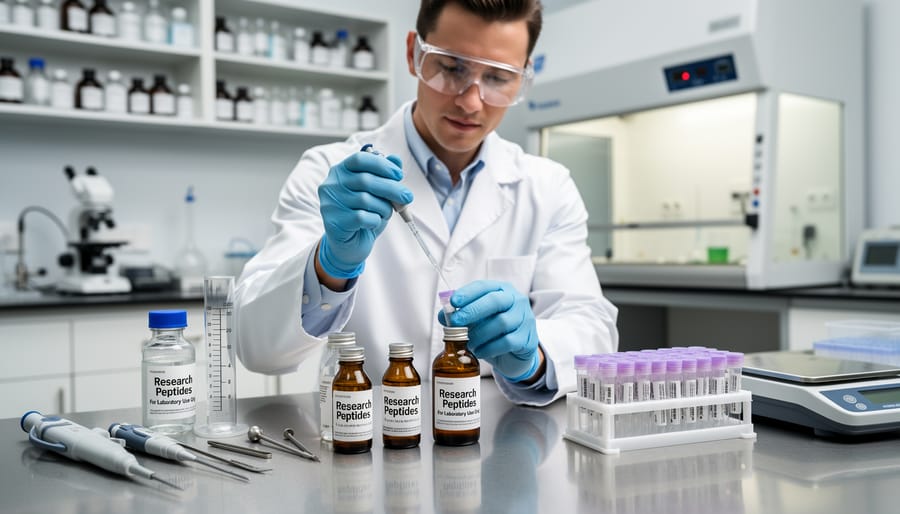
In Canada, research peptides occupy a clearly defined legal space that often surprises people encountering the term for the first time. These compounds are legal to purchase and possess, but only for one specific purpose: in-vitro laboratory research. That means they’re meant for test tubes, petri dishes, and controlled lab environments, not for human consumption, personal use, or anything related to food preparation.
The research-only peptide rule exists because these substances haven’t gone through the rigorous testing and approval process required for products intended for human use. Health Canada treats them similarly to other research chemicals: perfectly fine for scientific investigation, but outside the regulatory framework for consumer products or supplements. If you’re buying protein powder for your smoothies or collagen for soup-making, you’re dealing with entirely different products that have passed food safety standards.
Despite these clear boundaries, there’s a booming gray market for research peptides, with vendors selling to individuals who may not be using them for actual laboratory work. This creates confusion for everyday consumers who stumble across these products while searching for legitimate food-related peptides. Vendors typically include disclaimers stating products are “for research purposes only” and “not for human consumption,” which serves as legal protection but doesn’t necessarily prevent misuse.
For our cooking-focused readers, the important takeaway is simple: if you’re looking for peptides to support your culinary interests or health goals, research peptides are not what you want. Look instead for food-grade collagen, properly regulated protein supplements, or the natural peptides already present in ingredients like bone broth and fermented foods. Those products have been tested, approved, and are genuinely meant for consumption.
Where the Confusion Comes From
Peptides You Actually Cook With

When you’re working in the kitchen, you’re already handling peptides all the time without even thinking about it. They’re simply short chains of amino acids that form naturally when protein in cooking breaks down during various processes.
Take bone broth, for instance. That rich, gelatinous texture comes from collagen breaking down into shorter peptide chains through slow simmering. The longer you cook it, the more these proteins unravel into easily digestible peptides. Similarly, when you ferment foods like yogurt, miso, or sourdough, enzymes and bacteria cleave proteins into peptides and individual amino acids, which is why fermented foods are often easier to digest and have that distinctive umami depth.
Even simple cooking techniques create peptides. Aging meat allows natural enzymes to break down muscle proteins into smaller peptides, making the meat more tender. When you marinate chicken in yogurt or buttermilk, the acidic environment and enzymes work on the protein structure, creating peptides that contribute to both texture and flavor.
These culinary peptides are completely different from research compounds. They’re just a natural part of how food chemistry works in your kitchen.
The Research Side You Won’t Be Using
Research peptides exist in a completely different regulatory category from anything you’ll find in your spice rack or pantry. These are laboratory-grade compounds intended solely for in-vitro scientific studies, meaning controlled experiments in test tubes, petri dishes, and research settings. They’re not tested for human safety, they’re not approved for consumption, and they lack the quality controls that food-grade ingredients must meet.
The distinction matters because these compounds carry serious risks when misused. Unlike collagen powder you’d add to a smoothie or protein supplements formulated for consumption, research peptides haven’t undergone food safety testing. They may contain residual solvents from synthesis, impurities from the manufacturing process, or concentrations far beyond anything appropriate for human use. There’s no regulatory oversight ensuring they’re safe to ingest.
For home cooks, the takeaway is simple: if something is labeled “for research purposes only” or sold by vendors emphasizing laboratory use, it has no place in food preparation. Stick with food-grade ingredients from trusted culinary suppliers, where safety standards actually apply.
What Reputable Vendors Look Like (For Those Who Need to Know)

If you’re genuinely ordering peptides for lab work, perhaps testing protein structures in food science research or academic study, you’ll want to know what separates legitimate suppliers from sketchy operations. Since this isn’t something most home cooks need, I’ll keep this brief but practical.
Look for vendors who provide certificates of analysis (COAs) for every batch. These lab reports verify purity, composition, and that what’s on the label matches what’s in the vial. Reputable suppliers make COAs readily available, often through QR codes on packaging or downloadable PDFs on their website. Some go further with independent third-party verification from separate labs, which adds another layer of accountability.
PeptidePro, for instance, uses dual-lab verification and provides batch-specific reports with direct QR access, a transparency approach that should be standard across the industry. They ship from Ontario with tracking, which matters for maintaining cold-chain integrity and ensuring your research materials arrive intact.
Proper vendors also clearly state that their products are for laboratory research only. They won’t make health claims, suggest dosing for human use, or market peptides as supplements. If a site blurs these lines or implies their products can be consumed, that’s a red flag signaling they’re not prioritizing diet safety or regulatory compliance.
Price can be telling too. Ultra-cheap peptides often indicate questionable sourcing or quality. While Pepta Labs lists products like BPC-157 at around $60 and TB-500 near $71, wildly lower prices should make you suspicious. You’re paying for verified purity in a gray market where standards vary dramatically.
Legitimate research supply isn’t something to take lightly, even if you’re just curious. For actual cooking and nutrition questions, stick with the tested, practical information we focus on here.
Common Questions From Our Cooking Community
We get a lot of questions from readers who’ve stumbled into the research peptide world while searching for cooking-related information. Let’s clear up the most common confusion points.
Can I use research peptides in my cooking?
Absolutely not. Research peptides are strictly for laboratory use only and should never be consumed or used in food preparation. They’re unregulated for human consumption and have no place in your kitchen.
Are these the same as the collagen peptides I put in my coffee?
No, they’re completely different. Collagen peptides sold as dietary supplements are regulated food products. Research peptides are laboratory chemicals sold only for in-vitro research purposes.
I keep seeing these for sale online when I search for protein supplements, should I be concerned?
The algorithms are just confused by overlapping keywords. Stick to products labeled as dietary supplements or food ingredients from established retailers, and you’ll avoid the research chemical market entirely.
How do I know if what I’m buying is actually a food product?
Legitimate food supplements will have nutrition facts panels, ingredient lists, and clear labeling for human consumption. Research peptides come with warnings stating “for laboratory research only” and no nutritional information.
The confusion usually starts innocently enough. You’re searching for bone broth benefits or collagen supplements, and suddenly you’re seeing listings for “peptides for sale” that look nothing like the products at your local health food store. That’s your signal to step back.
If you’re genuinely interested in the benefits of peptides in your diet, focus on whole food sources and regulated supplements. Think bone broth made from quality bones, naturally fermented foods, and collagen powders from reputable supplement companies. These deliver real nutritional value without any of the legal or safety concerns attached to research compounds. This is why testing matters when we develop recipes, we want you working with ingredients that are safe, legal, and actually beneficial in a kitchen context.
So there you have it, research peptides and cooking peptides are two completely different worlds. If you landed on this article while searching for collagen powder or protein supplements, you’re in the right place for culinary guidance, just not this particular topic. Research peptides belong strictly in laboratories, not kitchens.
For your cooking adventures, stick with the peptides nature already provides: collagen-rich bone broth, fermented foods that develop complex proteins, and quality protein supplements designed for human consumption. These are the ingredients with proven safety, reliable sourcing, and actual culinary applications. They’re what we test in our kitchen and recommend with confidence.
We know navigating food science information online can get confusing, especially when search terms overlap and marketing blurs important lines. That’s exactly why we’re here, to cut through the noise and provide tested, reliable information you can actually use in your kitchen.
Got questions about legitimate culinary proteins, confused about a supplement label, or wondering if that collagen powder is worth trying? Reach out through our contact page. We’d rather answer your questions directly than have you stumble through questionable information elsewhere.
Our commitment hasn’t changed: real recipes, tested techniques, and honest guidance for home cooks across Canada. Let’s get back to what actually belongs in your kitchen.