Showing: 1 - 10 of 33 RESULTS
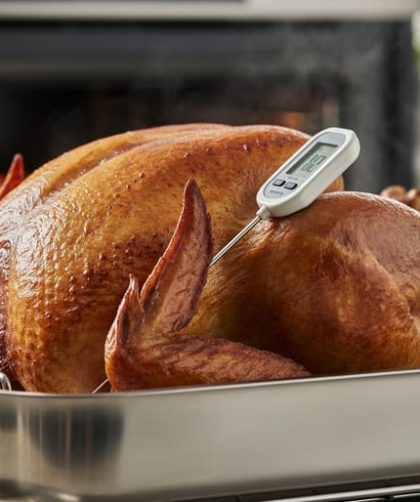
“Turkey roasting in an oven with a meat thermometer probe inserted into the thickest part of the thigh.”

How to Master Turkey Cooking Times and Temperatures Every Time

Cooking a turkey to perfection means hitting two essential numbers: an oven temperature of 325°F and an internal temperature of 165°F in the thickest part of the thigh. For timing, plan on roughly 25 minutes per pound as your baseline guideline, though oven variability means a reliable meat thermometer is your best friend in the kitchen. Getting turkey right isn’t about guesswork or vague instructions. It’s about understanding the specific temperatures that keep your bird both safe to eat and deliciously moist, plus knowing how cooking time scales with the size of your turkey.
Key …
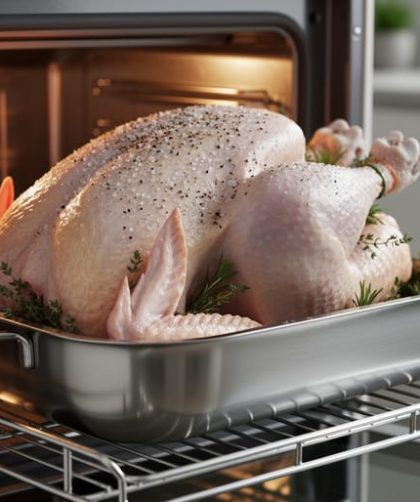
An unstuffed turkey roasting in a stainless pan inside a modern oven, shown under warm oven light.

5 Kg Turkey Cooking Time: Quick Reference Chart for Busy Cooks

A 5 kg turkey (about 11 pounds) needs 2 hours and 45 minutes to 3 hours and 15 minutes in a 325°F oven when unstuffed, or 3 hours to 3 hours and 40 minutes when stuffed. The bird is safe to eat when a meat thermometer inserted into the thickest part of the breast reads 165°F. Whether you’re hosting your first holiday dinner or just need a quick timing check while prepping your meal, getting this right means the difference between a juicy centerpiece and a dry disappointment.
Key Takeaway: Plan 13…

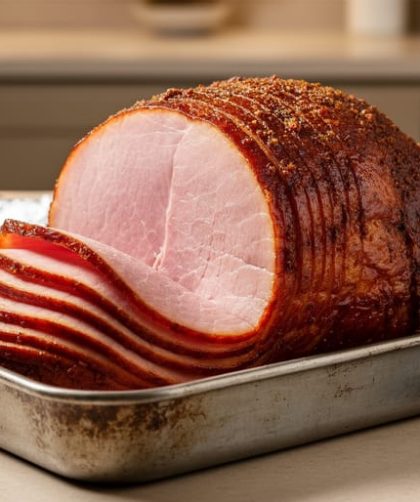
“Kirkland spiral ham in a roasting pan with glossy glaze and spiral slices, photographed on a kitchen countertop in warm lighting.”

How to Heat Kirkland Spiral Ham in 3 Simple Steps

Good news: your Kirkland spiral ham is already fully cooked, so you’re simply reheating it to an internal temperature of 140°F. Plan on heating at 325°F for 12 to 15 minutes per pound, which means an eight-pound ham will be table-ready in about 90 minutes to two hours. The real goal here isn’t cooking; it’s warming the meat through without drying it out, and keeping it moist while the edges caramelize slightly.
Key Takeaway: Your Kirkland spiral ham is pre-cooked and needs only reheating to 140°F. Heat at 325°F for 12-15 minutes per pound, keeping the ham covered to …

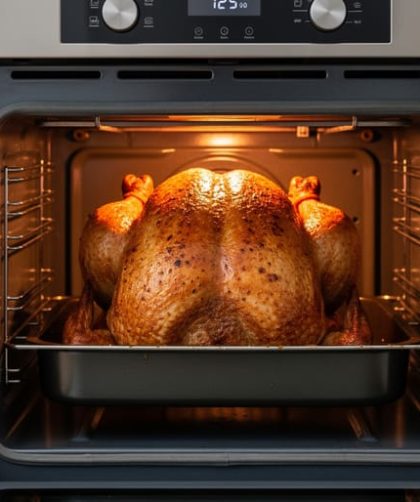
“Golden-brown whole turkey roasting inside a stainless-steel oven with warm oven light highlighting crisp skin.”

How to Cook a Turkey in the Oven: A Step-by-Step Guide for Perfect Results

Cooking a whole turkey in the oven means roasting it at 325°F (163°C) until the internal temperature reaches 170°F (77°C) for an unstuffed bird or 180°F (82°C) for a stuffed one, measured in the thickest part of the thigh. This method delivers juicy, golden-brown results perfect for holiday gatherings and special occasions, with cooking times ranging from about 3 to 5 hours depending on the size of your bird.
If you’ve never roasted a turkey before, the process might feel intimidating, but it’s surprisingly straightforward once you understand the basics. The key is managing temperature and time correctly while …

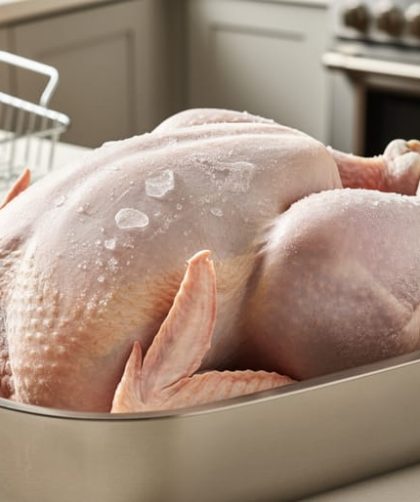
Frozen Butterball turkey breast in a shallow roasting pan on a kitchen counter, ready to bake without thawing.

How to Cook a Butterball Turkey Breast from Frozen for Quick Weeknight Dinners

Cooking a Butterball turkey breast from frozen is straightforward: preheat your oven to 325°F (165°C), place the frozen breast in a shallow roasting pan, and cook until the internal temperature reaches 165°F in the thickest part. This no-thaw-required method takes the guesswork out of dinner planning and transforms what many consider a holiday-only protein into a practical weeknight option. You don’t need to worry about forgetting to defrost or planning days ahead.
The beauty of Butterball’s frozen turkey breast lies in its simplicity. Whether you’re cooking for a family dinner on a Tuesday or testing out your …

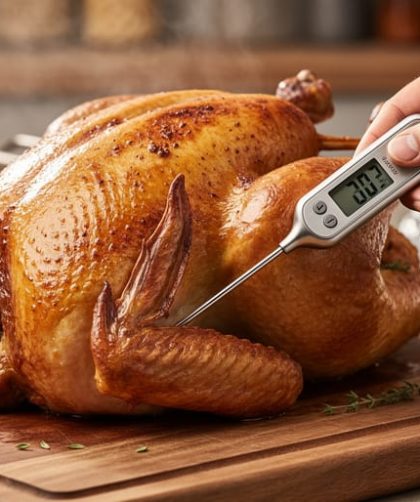
Chef checking the internal temperature of a roasted turkey with a digital meat thermometer inserted into the thigh.

How to Calculate Turkey Cooking Time Per Pound (Accurate Roasting Times)

Roasting a turkey takes approximately 13 to 17 minutes per pound at 350°F (177°C) for an unstuffed bird, and 15 to 18 minutes per pound for a stuffed one. That simple formula gives you a ballpark estimate, but here’s what matters more: your turkey is done when a meat thermometer reads 170°F (77°C) in the thickest part of the thigh for an unstuffed turkey, or 180°F (82°C) for a stuffed bird (with the stuffing itself reaching at least 165°F / 74°C). Time estimates help you plan your day, but temperature tells you when it’s safe to serve.
Before we dive into the timing charts, let’s clear up a dangerous …

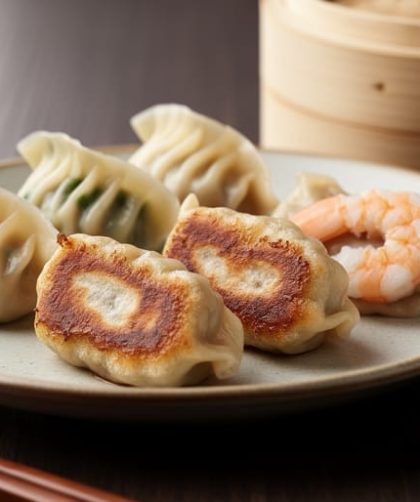
Plate of six dumplings showing a mix of steamed vegetable, pan-fried pork, and shrimp dumplings with dipping sauce on a dark wooden table.

How Many Calories Are Really in 6 Dumplings? (Plus Smart Swaps for Every Craving)

Six dumplings typically contain between 200 and 400 calories, but that range swings dramatically depending on the type you’re eating. Steamed vegetable dumplings might land at the lower end, while pan-fried pork dumplings can easily push past 400 calories for the same portion. The filling, cooking method, and wrapper thickness all play major roles in the final count.
If you’re tracking your intake but don’t want to give up one of the most satisfying foods out there, you’re in the right place. We’ve tested dozens of dumpling recipes…

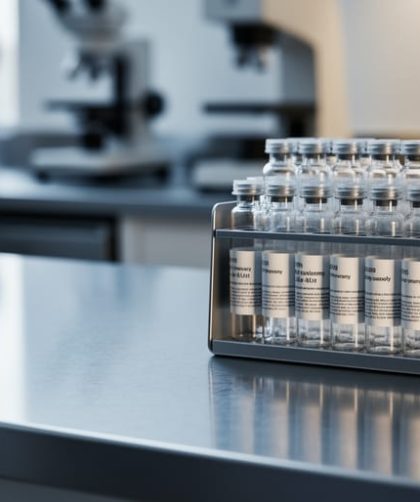
Sealed laboratory peptide vials on a metal rack placed next to a stainless-steel kitchen counter, illustrating the difference between lab research compounds and culinary use.

Why Research Peptides Are Showing Up in Kitchen Conversations (And What You Need to Know)

Research peptides are laboratory-grade compounds sold exclusively for in-vitro scientific study, not for human consumption or culinary use. In Canada, these substances are legal to purchase only for research purposes, though a growing gray market has emerged despite regulatory restrictions. If you’ve landed here expecting guidance on food-related peptides like collagen supplements or protein powders for cooking, you’re in the right place for clarification, but you’ll want to know the crucial difference.
Unlike the collagen peptides you might whisk into your morning smoothie or the protein supplements used in recipe…

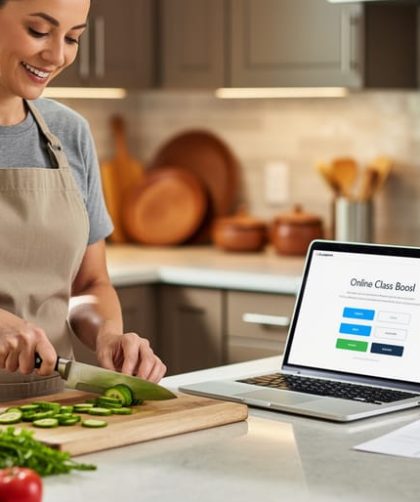
Person preparing cooking ingredients at a kitchen counter with a laptop open, representing signing up for online cooking classes.

How to Sign Up for Sur La Table Cooking Classes (Online or In-Store)

Signing up for Sur La Table cooking classes takes less than five minutes through their online registration system. You’ll create an account on their website, browse classes by category or location, and complete your booking with a credit card. While Sur La Table operates physical locations only in the United States, their online cooking classes are accessible to anyone with an internet connection, making them a practical option for Canadian cooking enthusiasts who want professional instruction without crossing the border.
The registration process is straightforward: you’ll visit the Sur La Table cooking classes page, …

A delivery driver holding a sealed food bag at a home door while a customer pays with Canadian cash.

Yes, You Can Still Pay Cash for Food Delivery in Canada (Here’s How)

Yes, you can still pay cash for food delivery in Canada in 2026. Both Uber Eats and DoorDash now offer cash-on-delivery options across the country, with Uber Eats officially rolling out the payment method starting July 1, 2026. Other platforms like Chefz have also added cash to their payment options, giving you more flexibility when ordering your next meal.
The process is straightforward: you pay your driver directly at the door, including the full order amount plus any tip you’d like to add. Behind the scenes, the platform deducts what you paid from the driver’s next earnings deposit, so everything stays balanced. Keep …